
My initial plan and theme for the audio paper is how we recognize sound as a message and our listening modes and habits.
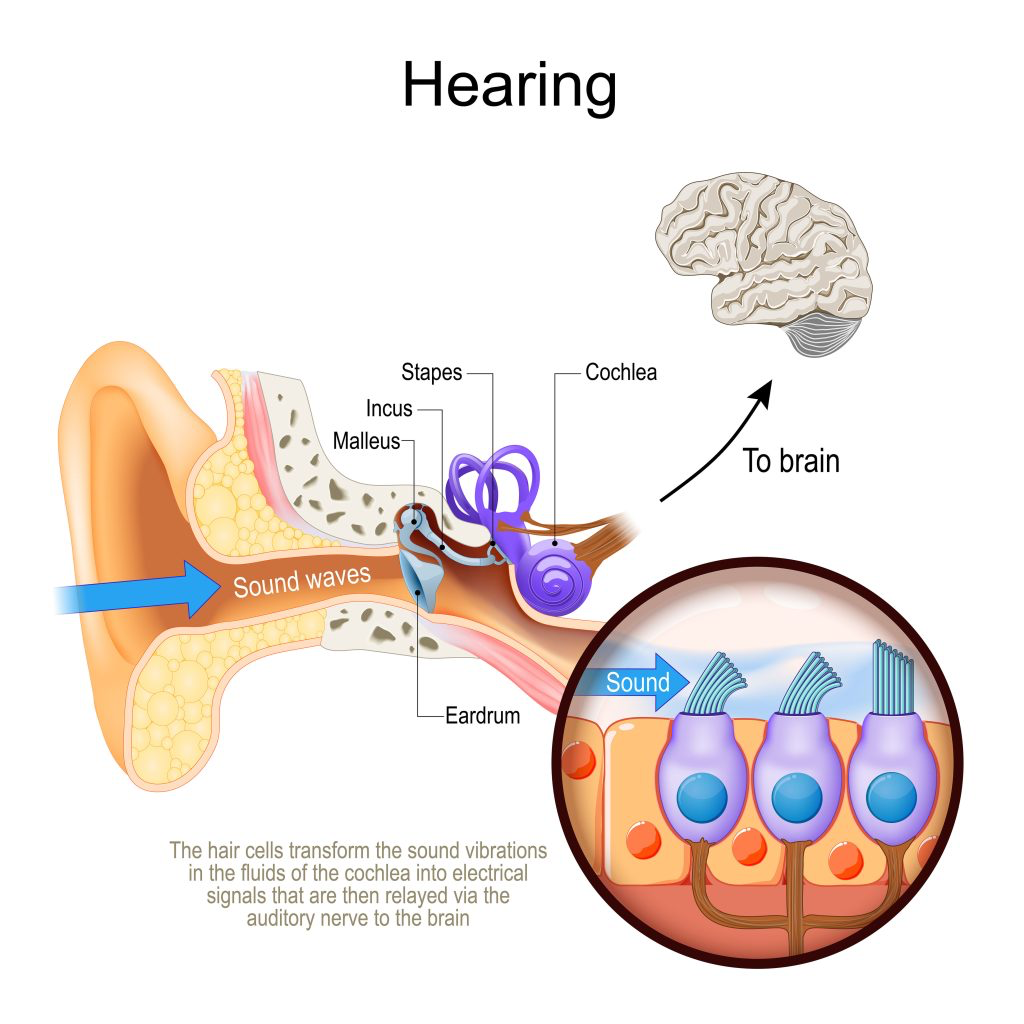
First of all, I need to know how sound is created and how our brain recognizes the vibration or the amplitude as a carrier of messages.
So, for the beginning of everything, there should be a sound somehow. This can be the subjective initiative to vibrate the air, such as our throat and vocal cords, or it can be passive vibrations— like the byproducts generated by natural phenomena like wind and water sounds. No matter how these vibrations occur, our ears collect and send these messages to our brain, where our recognition integrates information and, based on personal habits, cultural background, and immediate context, distinguishes sound as a certain message.
The essence of hearing lies not in the producer, but in the recipient themselves.
On Listening Habits
Three Fundamental Models of Listening:
- Passive Listening: The most common model in daily life. Examples include ambient environmental noise and background sounds generated by movement. It also occurs in conversations, where the literal meaning is understood, but there is a lack of in-depth feedback and empathy.
- Active Listening: Involves actively understanding the speaker’s intent and emotions, providing feedback, and striving to establish a genuine connection.
- Aggressive Listening: Waiting for flaws or pauses in the other person’s speech to interject with one’s own viewpoints.
• How Culture Shapes “Listening” Habits: Different cultural backgrounds foster distinct listening modes:
* Low-Context Cultures (e.g., North America, Northern Europe): Listeners pay more attention to the specific words spoken and the literal meaning, emphasizing clarity and directness.
* High-Context Cultures (e.g., East Asia, Middle East): Listeners place greater importance on the politeness of the message delivery, including tone, body language, context, and the relationship between parties. Silence is also rich with meaning.
Leave a Reply